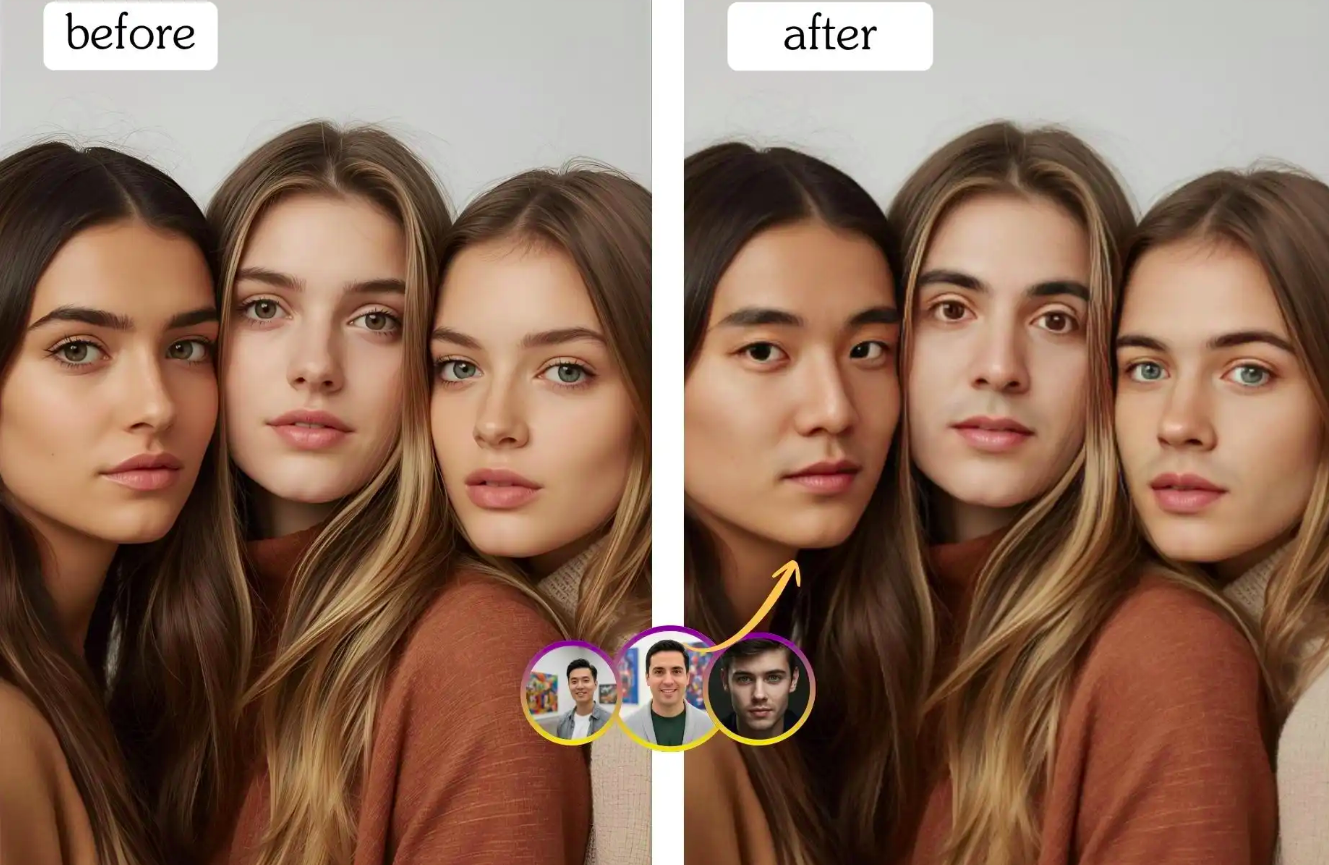
In recent years, advancements in artificial intelligence have revolutionized the way we manipulate images and videos. One of the most controversial yet fascinating developments is the emergence of AI tools capable of transforming clothed images into nude appearances. Among these innovations, Deepnude Photo Magic and related technologies like Undressai have garnered significant attention. But what exactly are these tools, and how do they work? More importantly, what are the ethical considerations surrounding their use?
Deepnude Photo Magic is an AI-powered technology designed to undress images of individuals seamlessly. By analyzing a clothed photograph, it predicts and reconstructs what the person might look like without clothes, creating a realistic nude image. These tools leverage sophisticated algorithms, often based on deep learning and neural networks, to generate convincing results. They are often associated with terms like DeepFake and Undressai, which refer to similar AI-driven image manipulation technologies.
But how does this technology work? Essentially, Deepnude and similar AI tools are trained on vast datasets of images to understand human anatomy and clothing patterns. When a user uploads a photo, the AI processes the image to identify key features and then predicts the underlying skin and body contours that would be present if the person were unclothed. The result is an image that appears remarkably realistic, raising both fascination and concern.
Given the potential misuse of such technology, many people wonder about its ethical implications. Can these tools be used responsibly? The answer lies in regulation and awareness. While AI tools like Undressai can serve legitimate purposes, such as in fashion design, medical visualization, or entertainment, their misuse to create non-consensual explicit images is a serious concern. This is why many developers emphasize responsible use and advocate for strict ethical guidelines.
One might ask: Are there safeguards to prevent abuse? Some platforms and developers implement detection mechanisms to identify deepfake or similar images, aiming to curb malicious use. However, as the technology advances rapidly, so do the methods to bypass these safeguards. Therefore, users must be cautious and respect privacy and consent when handling or sharing images.
Furthermore, the existence of such AI capabilities raises questions about privacy and consent. It is crucial to recognize that creating or distributing non-consensual nude images can cause significant harm and legal consequences. Responsible AI usage involves understanding the potential impact and refraining from any activity that infringes on others' rights.
In conclusion, Deepnude Photo Magic and tools like Undressai showcase the impressive yet potentially problematic capabilities of AI in image manipulation. While they hold promise for legitimate applications, their misuse poses ethical dilemmas that society must address. As AI technology continues to evolve, awareness, regulation, and responsible use will be essential to harness its benefits while minimizing harm. Users should always prioritize respect for privacy and consent, ensuring that AI remains a force for positive innovation rather than misuse. DeepNude Photo Processing: How DeepNude AI Delivers Ultra-Realistic Nude Transformations.
#NSFWAI #FaceSwap #NudeAI